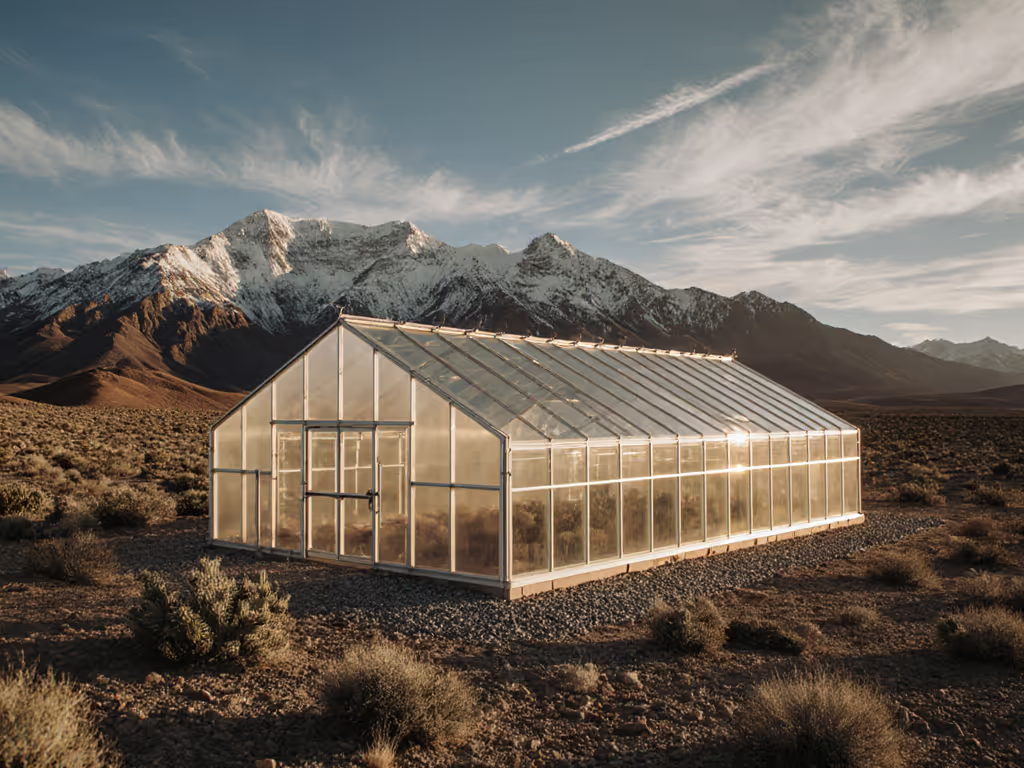
Greenhouse Soil Management: Organic Disease Prevention Guide
By Hana Al-Khalil • 26th Oct
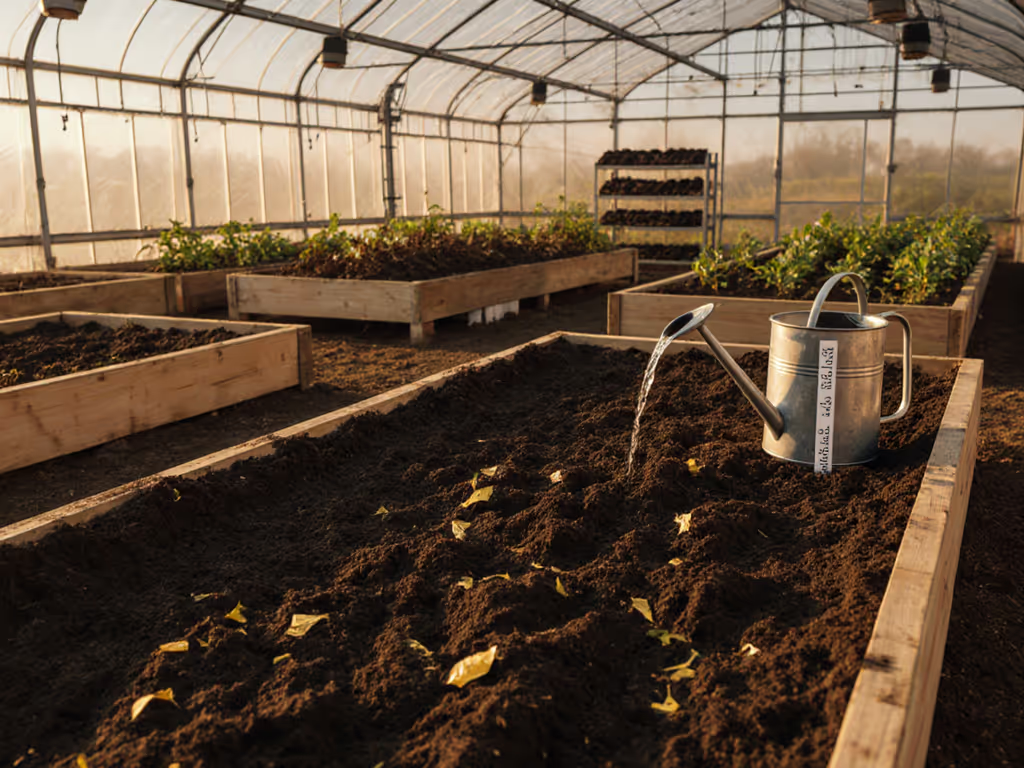
When we talk about greenhouse soil management, we're not just talking about nutrients and structure, we're building a living ecosystem that actively prevents disease. The health of your organic greenhouse soil is the quiet foundation beneath every vibrant tomato vine and crisp lettuce leaf. I've seen how neglecting this foundation leads to frustrated growers battling mysterious wilts and molds when the solution often starts beneath the surface. Like when I transformed my overheated hoop house into a sanctuary (part of that journey was healing the soil that had baked dry under relentless sun). Today, it teems with life that naturally suppresses pathogens, and my elderly neighbor still comes to prune midday without breaking a sweat.
Why Greenhouse Soil is Different
Greenhouse environments create unique soil challenges. Unlike open gardens, our enclosed spaces experience less natural rainfall cycling, reduced microbial diversity from limited exposure, and often more concentrated disease pressure. This makes intentional greenhouse soil management essential, especially when growing year-round. The warmth that helps extend our seasons can also accelerate pathogen development if soil health isn't prioritized.
Think of your greenhouse soil as a living organism that breathes with the space. To shape conditions around each bed, use our greenhouse microclimates guide to zone plants easily without stressing the soil. When you design with passive airflow in mind, you're also supporting soil respiration. That white shade cloth I added didn't just cool the air, it moderated soil temperature swings, preventing the stress that invites diseases like fusarium wilt. Sensory cue to notice: When soil surface temperature stays within 10°F of air temperature, you're creating conditions where beneficial microbes thrive while pathogens hesitate.
The Four Pillars of Disease-Resistant Soil
The Natural Resources Conservation Service identifies four principles for soil health that apply powerfully to greenhouse settings:
- Keep soil covered as much as possible
- Grow living roots throughout the year
- Use plant diversity to enhance soil microbial diversity
- Disturb soil as little as possible
In my greenhouse, I fulfill these through what I call "layered protection" (a visual approach where you see mulch covering bare earth, cover crops growing between main crops, and diverse root structures working at different depths). This isn't just theory; it's what transformed my soil from disease-prone to disease-resistant. When soil stays covered with organic matter, pathogens lose their entry points while beneficial fungi weave protective networks around plant roots.
Practical Disease Prevention Strategies
Greenhouse Composting
Quality compost is your first line of defense. Unlike field composting, greenhouse composting requires careful temperature monitoring to ensure complete pathogen kill-off. I maintain two compost bins outside my greenhouse: one actively receiving materials, the other curing. When both reach 140°F consistently for three days (verified with a thermometer I check daily), I know they're safe to bring inside. The richness you see in finished compost (dark, earthy smelling with no recognizable food scraps) is precisely what reintroduces the diverse microbial life that outcompetes disease organisms.
Soil Rotation in Greenhouse
"But how do you rotate soil in a fixed greenhouse?" people often ask. Soil rotation in greenhouse settings happens through strategic bed management rather than moving entire plots. Design your interior with accessible pathways that allow you to systematically rotate crop families. A seasonal plan like this is easier with a greenhouse planting calendar that times rotations and keeps living roots in place. This year's tomato bed becomes next year's legume bed, breaking pest cycles while feeding soil. In my small greenhouse, I use movable trellis systems that let me redesign layouts without rebuilding infrastructure. Your eyes should confirm the rotation: different colored leaves, varied heights, and changing bloom patterns that signal soil ecosystem renewal.
Soil pH Management
Pathogens thrive in specific pH ranges. Most fungal diseases prefer acidic conditions below 6.2, while beneficial microbes favor slightly acidic to neutral soil (6.2-7.0). Soil pH management becomes your silent disease regulator. Test monthly using a simple probe, not just at planting time. I keep a small pH chart taped inside my greenhouse door where I can compare readings against ideal ranges for each crop. When I noticed clubroot appearing in my brassicas, a gentle adjustment to pH 6.8 with dolomitic lime made the problem disappear without harsh interventions.
Water Wisdom
Water quality and delivery method directly impact soil disease prevalence. Tap water high in chlorine disrupts soil microbiology, while inconsistent watering creates stress points where pathogens invade. Disease prevention in greenhouse soil starts with how you water. If you struggle to keep moisture consistent, explore greenhouse automation tips for hands-off, even irrigation. I collect rainwater in barrels along my north wall (also serving as thermal mass), then deliver it through a simple drip system that keeps soil moist but never saturated. Your best diagnostic tool? The back of your hand, press it gently into soil an hour after watering. It should feel cool and leave a faint imprint, not stick between your fingers.
The Comfort Connection
Here's what I've learned: when your greenhouse soil feels alive beneath your fingers, the space itself becomes inviting. Comfort grows plants, and keeps you tending through storms. When I walk into my greenhouse now, I notice the rich earth smell, the moist-but-not-wet texture underfoot, the absence of that sour hint of disease that used to linger in the air. This isn't just about preventing blight; it's about creating a space you want to inhabit daily.
I designed my layout with gentle slopes for drainage, wide enough paths for comfortable movement even with a bad knee, and work surfaces at multiple heights. These "human" considerations directly support soil health, you're more likely to inspect and tend soil when accessing it doesn't strain your body. When you feel physically comfortable tending your plants, you notice subtle soil changes that reveal emerging issues before they become crises.
Cool the human, save the crop.
Taking Your Next Step
Start small with one soil health practice this season. Maybe it's dedicating 20% of your greenhouse floor to a living cover crop between rotations, or implementing a simple monthly pH testing routine. Measure what matters, not just yields, but how often you find yourself outside battling disease rather than harvesting food. To stabilize soil temperatures without extra energy use, see our passive solar greenhouse guide for thermal mass and orientation tips. Keep a soil journal noting sensory observations: smell, color, texture, and what you see working beneath the surface.
Your greenhouse soil isn't just the medium for growing plants, it's the beating heart of your entire ecosystem. When you prioritize its health through thoughtful greenhouse soil management, you're not just preventing disease; you're cultivating resilience that grows with you through every season. And remember: the most sophisticated disease prevention system is soil so vibrant with life that pathogens simply have no place to take hold.
What soil health observation will you make on your next greenhouse visit? I'd love to hear how you're cultivating disease-resistant soil in the comments below.
Related Articles