Fiberglass Greenhouse Kits: Thrive in Any Climate
By Hana Al-Khalil • 17th Dec
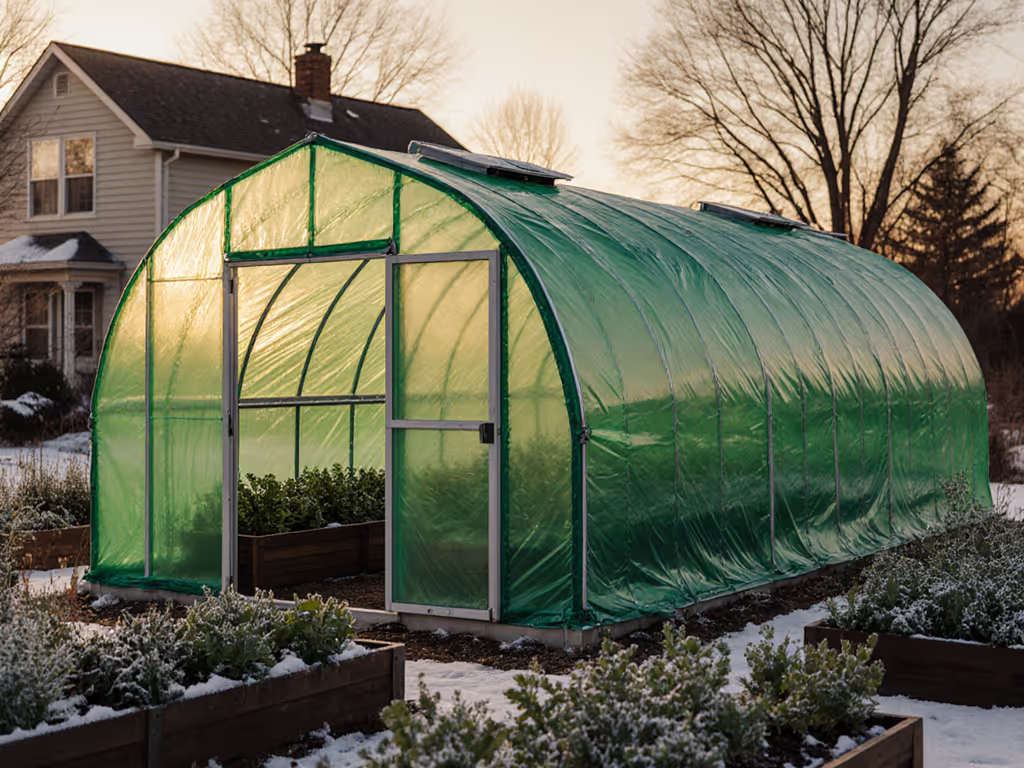
Picture this: Midday in July, 35°C outside, but inside your greenhouse, the air moves like a cool river over your skin. Tomatoes plump without scorching, your neighbor stops by for shade, and you're pruning without dreading the heat. This isn't magic, it's what happens when you choose the right alternative to glass greenhouse kits, with a green greenhouse covering designed for your climate. Forget analysis paralysis. As someone who transformed a sweltering hoop house into a sanctuary (and gained an elderly pruning partner), I'll show you how fiberglass greenhouse kits solve real-world pain points while keeping you comfortable year-round. Comfort is a yield multiplier, and it's the quiet engine behind consistent harvests.
Step 1: Decode Your Climate's Demands (Before You Buy)
Most greenhouse regrets stem from mismatched climate specs. For a quick primer on matching glazing to wind and snow ratings, see our covering materials guide. Don't just trust marketing claims. Grab your local weather data:
- Wind Zones: Check NOAA's wind speed maps for your area. Above 100 km/h? Prioritize panels with "250 J/m impact resistance" (like quality fiberglass) (10x stronger than glass). Sensory cue: Listen for wind whistling through gaps during storms, a sign of potential structural stress.
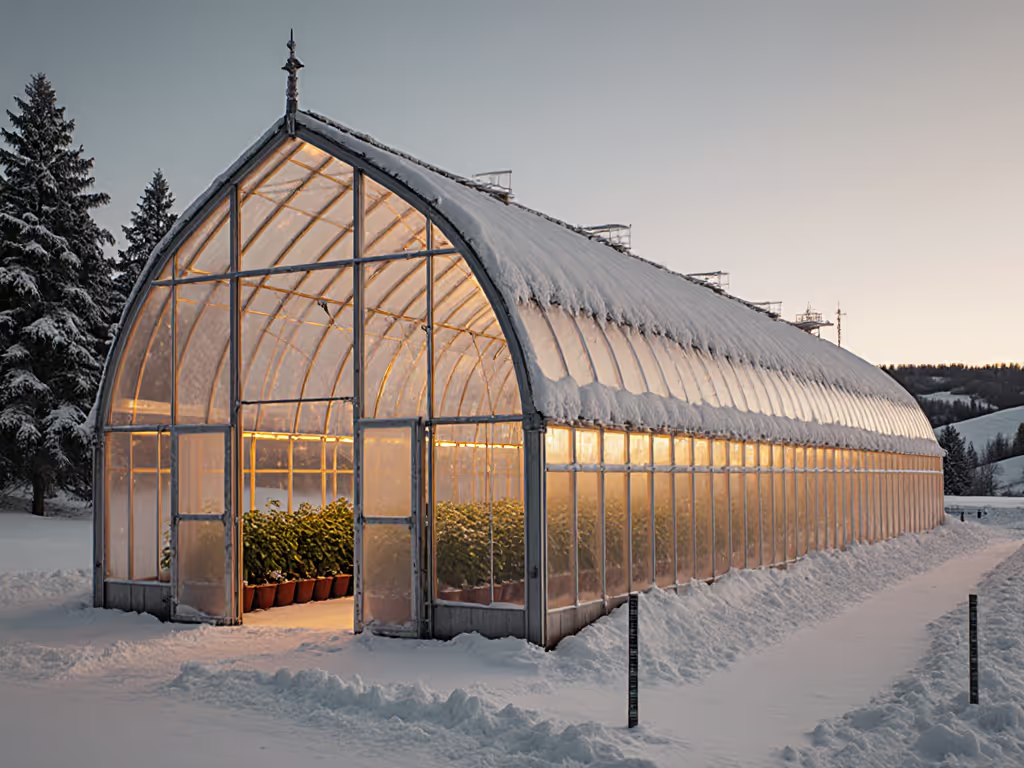
- Snow Load: Calculate max snow weight (kg/m²) using your region's historical data. Fiberglass handles 150-200 kg/m² with proper framing, critical for snowbelt growers. Measurement tip: 30 cm of wet snow ≈ 150 kg/m².
- Heat Extremes: If summer highs hit 40°C+, demand light transmission fiberglass below 85% (diffused light prevents leaf burn). Temperate zones can go higher (90%+).
A recent industry report confirms: 68% of crop failures in "extreme climate greenhouse" setups trace back to glazing misalignment with local weather data.

Step 2: Why Fiberglass Durability Wins Over Glass (Without the Fragility)
Glass greenhouse kits offer crystal clarity but shatter under pressure. Fiberglass solves the core tension: durability without compromise. Here's how it fits your practical reality:
Fiberglass Greenhouse Pros for Real Gardens
-
Wind & Hail Resistance: Properly installed FRP panels withstand 140 km/h winds and 25 mm hail, no shattered panes after summer storms. Accessibility note: Curved panels deflect debris, reducing cleanup for stiff joints.
-
Thermal Stability: R-value of 0.25-0.35 outperforms single glass (0.17). Translation: 15-25% less heating in winter. In my converted hoop house, water barrels along the north wall amplified this (holding heat like stone hearths).
-
Light Diffusion: No harsh shadows. Plants grow evenly without scorched edges. Sensory win: On bright mornings, the light feels like dappled forest shade, gentle on eyes and seedlings.
-
Long-Term Value: Lasts 15-25 years with minimal upkeep. Yellowing index? High-grade panels lose only 1% light transmission yearly. Treat every 8-10 years with UV coating (200 g/m²), a 2-hour Saturday task.
Where Fiberglass Outperforms Common Alternatives
| Material | Snow Load Risk | Summer Heat Risk | Lifespan | Maintenance Burden |
|---|---|---|---|---|
| Polycarbonate | Moderate | High (traps heat) | 10-15 yrs | High (condensation) |
| Polyethylene Film | Low | Extreme | 2-4 yrs | Very High |
| Fiberglass | Low | Low | 20+ yrs | Low |
| Glass | High | Moderate | 20+ yrs | Very High |
Note: Avoid bargain fiberglass under 1.4 g/cm³ density, it cracks under snow. Always verify specs.
Step 3: Design for Passive Climate Control (Your Comfort, Your Plants' Health)
Comfort sustains the habit. If you hate stepping into your greenhouse at noon, it won't get tended. Embed these ergonomic, passive strategies:
Layout Sketches in Words:
-
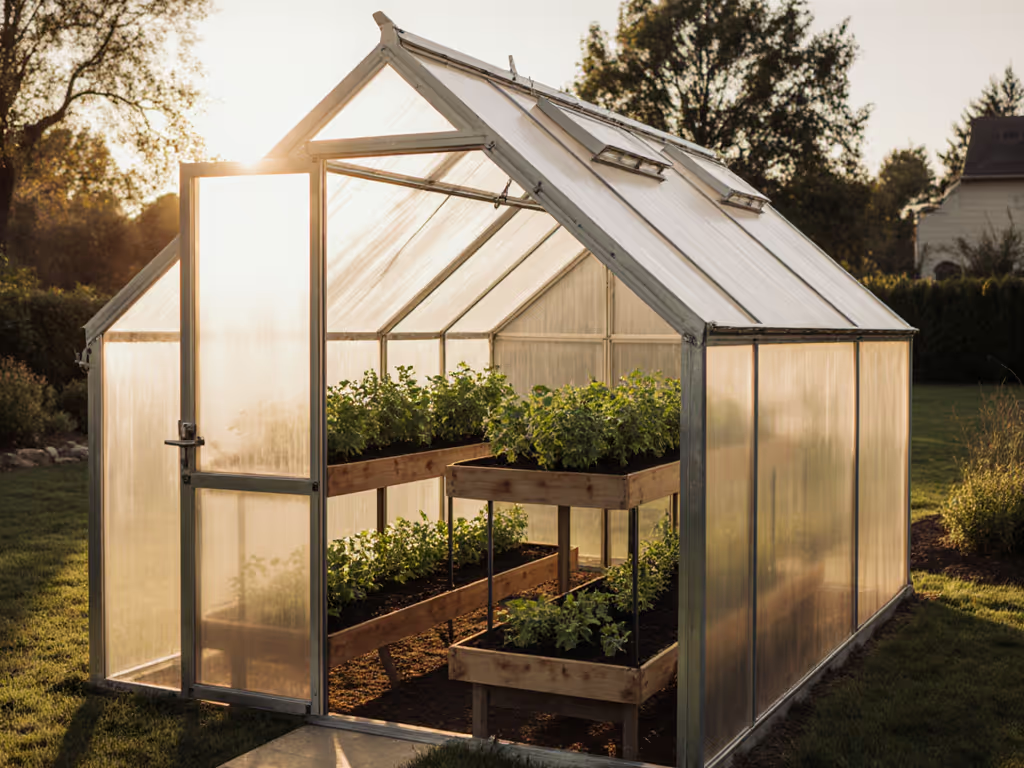
Ventilation Flow: Place roof vents every 3 meters along the ridge. Side vents should open to prevailing summer winds. In my setup, raising vents 15 cm created a cross-breeze that dropped temperatures by 10°C, no fans needed.
-
Thermal Mass Zones: Tuck 200L water barrels (painted black) against the north wall. They absorb heat by day, release it by night. For passive setups that need no electricity, see our thermal mass heating guide. Elderly neighbors especially love this, they can prune comfortably at 5 PM when metal frames scald.
-
Shading Integration: Install retractable white shade cloth above the roof (not inside). Reduces radiant heat without blocking airflow. Tip: Use a $10 solar tracker for automatic retraction, no gadgets inside.
Critical Climate-Specific Upgrades:
-
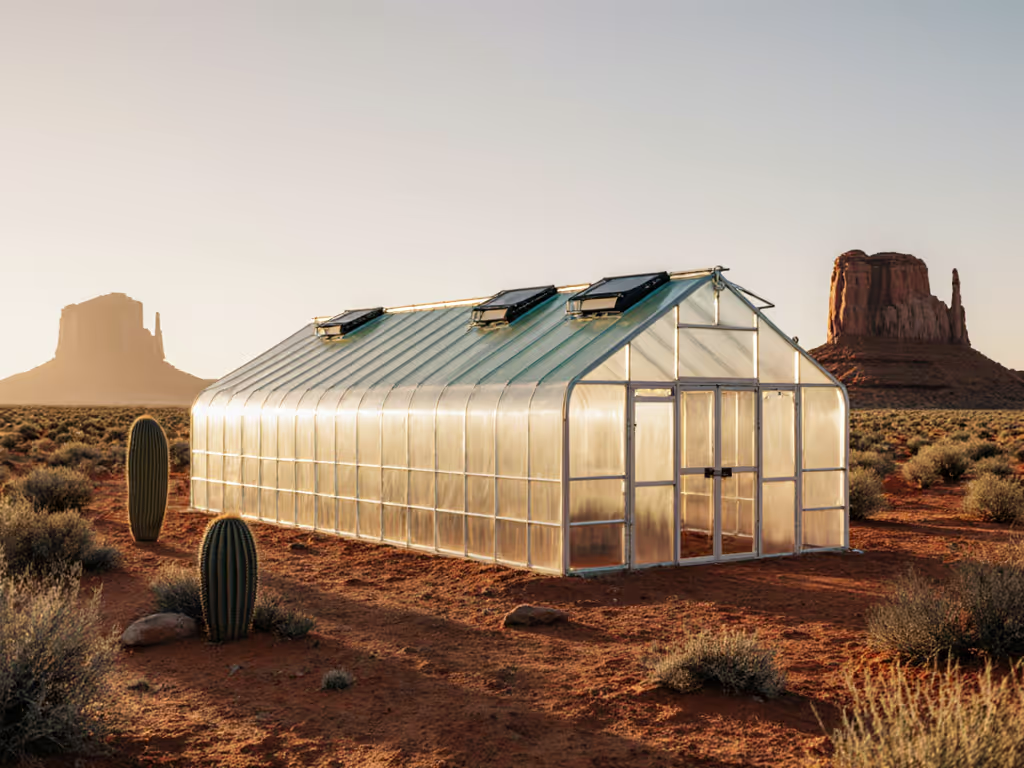
Hot/Dry Zones (SW USA): Add evaporative cooling pads on windward side. Fiberglass' high insulation (U-value 3.0-4.0) keeps cooled air inside.
-
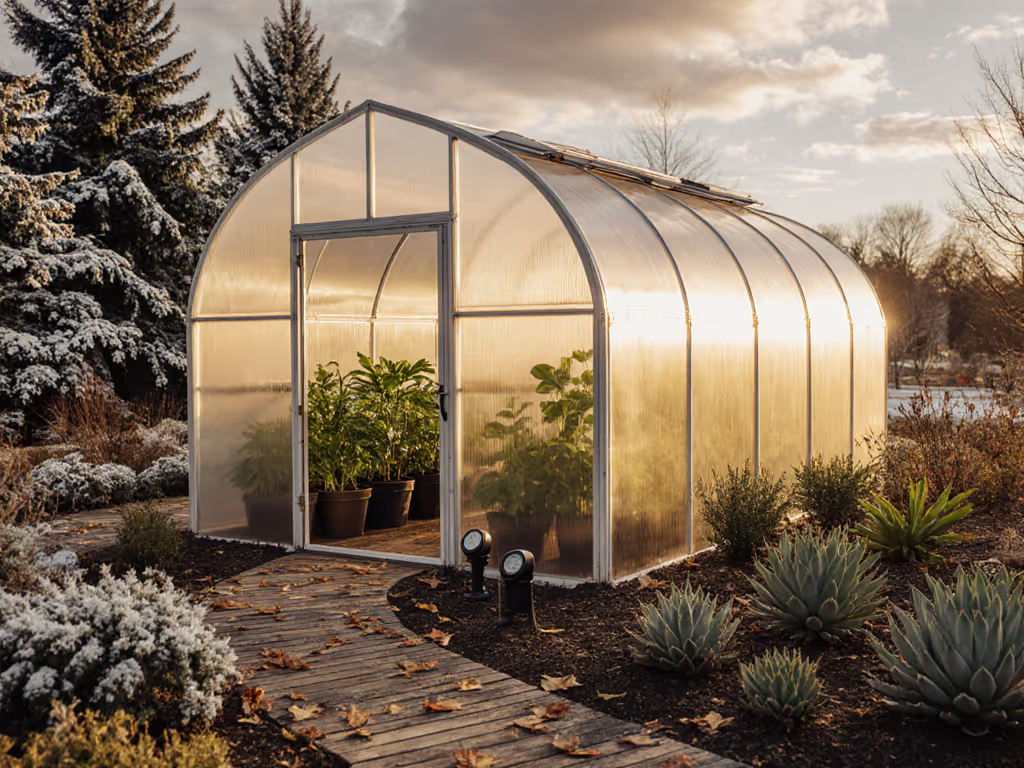
Snowbelt Regions: Pitch roof to 30°+ for snow shedding. Use double-walled fiberglass panels (R-value 0.50) for winter crops.
-
Humid Coasts: Maximize side vents (open 50% of wall height). Fiberglass' low condensation resistance (dew point 4-6°C below surface) prevents mold.
Comfort grows plants, and keeps you tending through storms.
Step 4: Assembly & Maintenance That Respects Your Time
Forget "assembly dread." Quality fiberglass kits solve hidden pain points:
-
Pre-Drilled Frames: Look for powder-coated aluminum (not PVC) with labeled parts. Compare build time and tools across brands in our assembly difficulty ratings. My DIY build took 18 hours over 2 days, vs. 40+ for glass kits.
-
Climate-Proof Anchoring: Concrete piers > ground stakes in high-wind zones. Check your county's frost depth, piers must go 15 cm below it.
-
Low-Effort Upkeep: Clean panels 1-2 times yearly with pH 6-8 soap (avoid pressure washers >100 bar). Test tip: Wipe a panel corner, clear water beads mean it's time to recoat UV protection.
The Four-Season Scorecard (Before You Commit)
Rank your non-negotiables:
- Wind/Snow Resistance (Prioritize if >100 km/h winds or 30+ cm snow)
- Heat Mitigation (Critical for zones hitting 35°C+)
- Ease of Assembly (Score kits with color-coded parts)
If #1 is highest, confirm manufacturer-tested load ratings, not "suitable for moderate climates." Real data beats vague promises.
Conclusion: Grow Confidently in Your Climate
A fiberglass greenhouse kit isn't just a structure, it's your partner in resilience. When fiberglass durability meets thoughtful passive design, you gain more than harvests: you get a space where comfort and crop health feed each other. My tomatoes now thrive through heatwaves, the hoop house stays usable in January frosts, and that neighbor still comes by at noon, not for the shade, but for the joy of pruning where it feels good to be.
Ready to match your greenhouse to your microclimate? Download our free Four-Season Greenhouse Checklist, it walks you through wind/snow calculations, passive cooling layouts, and vendor-spec red flags. (No email needed. Just practical steps for your peace of mind during storms.)
Related Articles