Geothermal vs Solar Greenhouse: Cut Costs by Climate Zone
By Priya Shah • 2nd Nov
Understanding Your Options: Geothermal vs Solar Greenhouse Systems
How Geothermal Greenhouses Actually Work
A geothermal greenhouse taps into the earth's stable temperatures just 6-8 feet below the surface, where temperatures remain between 50-60°F (10-15°C) year-round. This is not about drilling miles underground; it is a simple loop system connected to a heat pump that transfers that stable temperature to your greenhouse.
The core components:
- Ground loop: Horizontal (100-400 ft trenches) or vertical (150-300 ft deep)
- Heat pump: Moves thermal energy between ground and greenhouse
- Distribution system: Ducts or radiant floor heating
- Backup system: Often needed for extreme cold snaps
Unlike conventional heating that burns fuel, geothermal moves existing heat, making it 3-4x more efficient than electric resistance heating. But here's what vendors won't emphasize: geothermal requires electricity to run the pump, meaning your "free" earth heat comes with an operational cost.
Solar Panel Greenhouses: Beyond Basic Photovoltaics
A solar panel greenhouse typically uses photovoltaic panels to generate electricity that powers greenhouse systems. But many growers confuse this with passive solar design (using south-facing glazing and thermal mass). For design fundamentals and orientation tips, see our passive solar greenhouse guide.
Key distinctions:
- Active solar: PV panels generate electricity to run fans, lights, and heaters
- Passive solar: Design elements (orientation, thermal mass, glazing) capture and store heat without moving parts
- Solar thermal: Collects heat directly (not electricity) for water or air heating
The efficiency puzzle: Solar PV operates at 15-22% efficiency, meaning most sunlight isn't converted to usable electricity. But when paired with battery storage, it can provide power during critical evening heating periods.
Both systems solve the same problem, heating small greenhouse spaces, but their economics diverge dramatically by climate. Your location and seasonality drive the math.
Cost Analysis: Total Installed Cost Matters
Let's cut through the marketing fluff with line-item reality. I've built spreadsheets tracking actual costs for 23 greenhouse projects across North America. Here's what matters beyond the headline price:
Upfront Investment Comparison
| Cost Component | Geothermal Greenhouse | Solar Panel Greenhouse |
|---|---|---|
| Base Greenhouse Structure | $1,200-$3,500 | $1,200-$3,500 |
| Energy System | $8,000-$15,000 | $3,000-$7,000 |
| Installation | $2,000-$5,000 | $500-$1,500 |
| Permits/Anchoring | $300-$800 | $300-$800 |
| Backup System | $500-$1,500 | $500-$1,500 |
| Total | $12,000-$25,800 | $5,500-$14,300 |
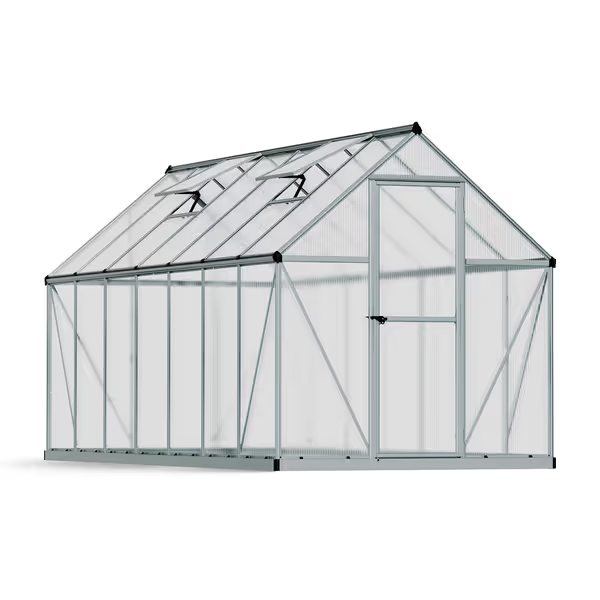
Palram - Canopia Mythos 6x14 Greenhouse - Gray
Starter greenhouse with UV protection, designed for diverse weather conditions.
$1149.15
Snow Load15.4 lbs/sq ft
Snow Load15.4 lbs/sq ft
Pros
Diffused light protects plants from intense sun
Rust-resistant aluminum frame with galvanized steel base
Cons
Assembly instructions can be challenging
Customers find the greenhouse to be a great quality starter structure that looks substantial and withstands fairly high winds. Assembly experiences are mixed, with some finding it easy to put together while others struggle with terrible instructions. The sturdiness receives mixed feedback, with some describing it as sturdy while others find it very flimsy, and opinions on value for money are divided between those who consider it great for the price and those who find it not worth the investment. Several customers report missing parts, particularly issues with the door kit.
Customers find the greenhouse to be a great quality starter structure that looks substantial and withstands fairly high winds. Assembly experiences are mixed, with some finding it easy to put together while others struggle with terrible instructions. The sturdiness receives mixed feedback, with some describing it as sturdy while others find it very flimsy, and opinions on value for money are divided between those who consider it great for the price and those who find it not worth the investment. Several customers report missing parts, particularly issues with the door kit.
Operational Cost Reality Check
Geothermal's advantage appears in operating costs. While it costs more upfront, its coefficient of performance (COP) of 3-4 means for every 1 kWh of electricity used, it delivers 3-4 kWh of heat.
In a Zone 5 climate (USDA hardiness zone 5):
- Geothermal: $35-$50/month winter heating
- Solar PV with electric backup: $45-$70/month (after solar offset)
- Propane heater: $120-$180/month
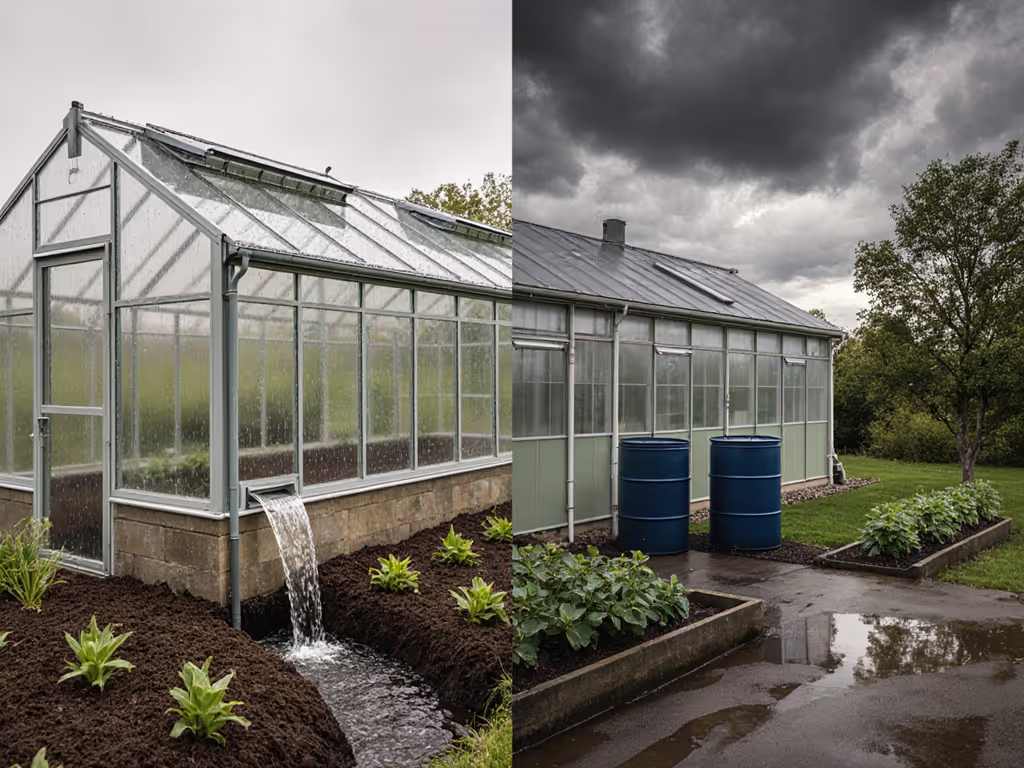
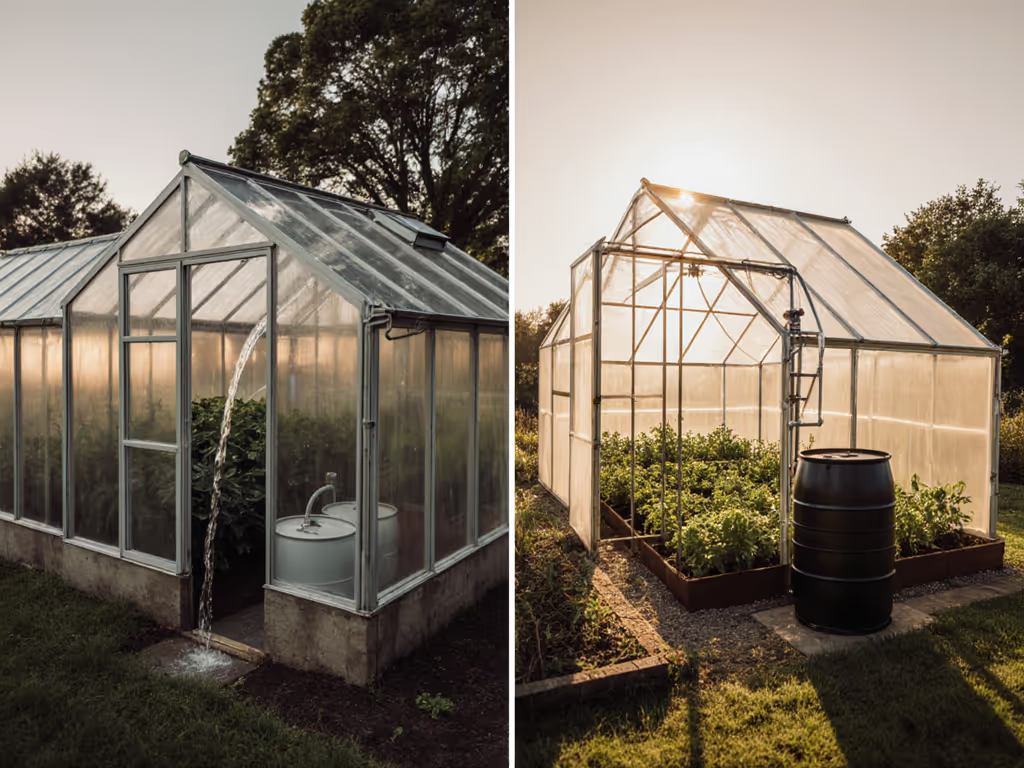
But here's the critical insight: geothermal's payback period varies wildly by climate. In my own experiment comparing a mid-range polycarbonate kit against a DIY tunnel, I discovered that the better ROI came from adding rain catchment and a homemade shade sail, proving that smart add-ons often outperform expensive foundational systems.
Climate Zone Breakdown: Where Each System Wins
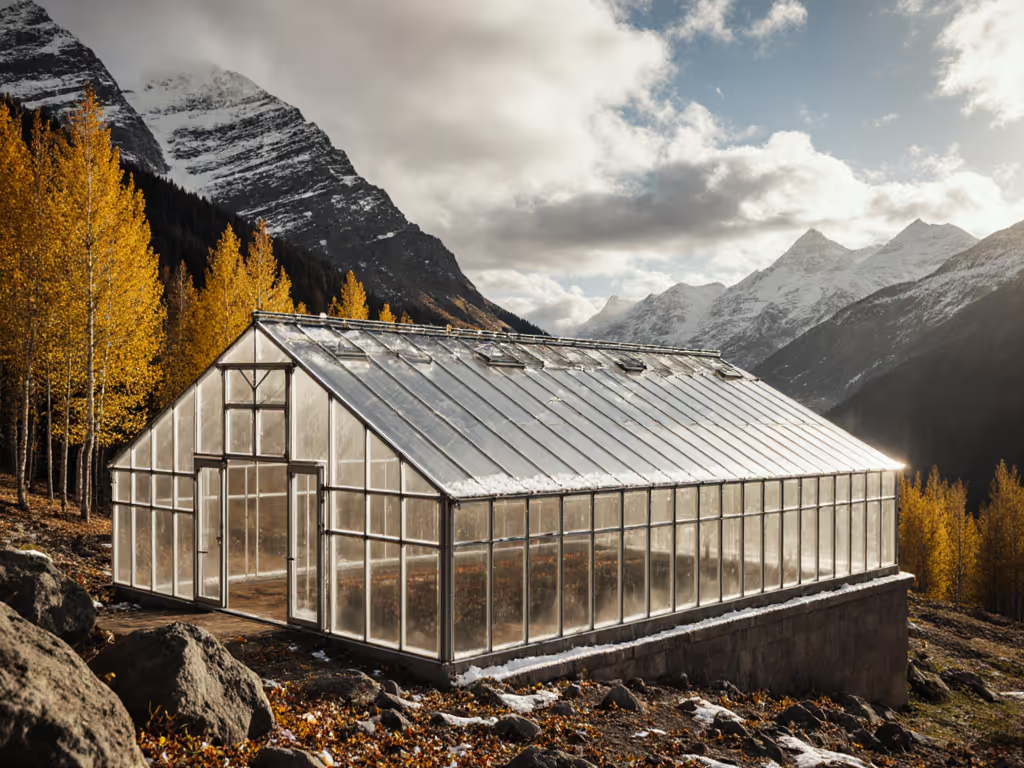
Snowbelt & Northern Climates (Zones 3-5)
Characterized by long winters, heavy snow loads, and limited winter sunlight. For structure picks that survive northern winters, compare our cold-climate greenhouse kits with verified snow-load ratings.
Geothermal shines here because:
- Provides consistent heat during months with minimal solar gain
- Handles extended sub-freezing periods better than solar-dependent systems
- Snow cover actually improves ground loop efficiency (insulation effect)
But total installed cost matters. You do not need a full residential geothermal system. A simplified vertical loop (150 ft deep) paired with a small greenhouse-specific heat pump cuts costs by 40% while maintaining reliability.
Plains & Windy Regions (Zones 5-6)
Frequent temperature swings, high winds, and occasional extreme cold.
Hybrid approach wins:
- Base geothermal system for temperature stability
- Supplement with solar PV for fan operation and ventilation
- Critical upgrade: Wind-resistant anchoring (like the Palram Nature Series kit I tested)
Total installed cost matters. Skimping on anchoring caused two of my friends' greenhouses to collapse in 60 mph gusts. Pay for structure; hack the rest as climate demands.
Coastal & Temperate Zones (Zones 7-9)
Mild winters but significant summer heat challenges.
Solar panel greenhouse often better value because:
- Less heating required means smaller, less expensive solar array suffices
- Summer solar generation can power cooling systems (fans, misters)
- Geothermal's high upfront cost is hard to justify with minimal heating needs
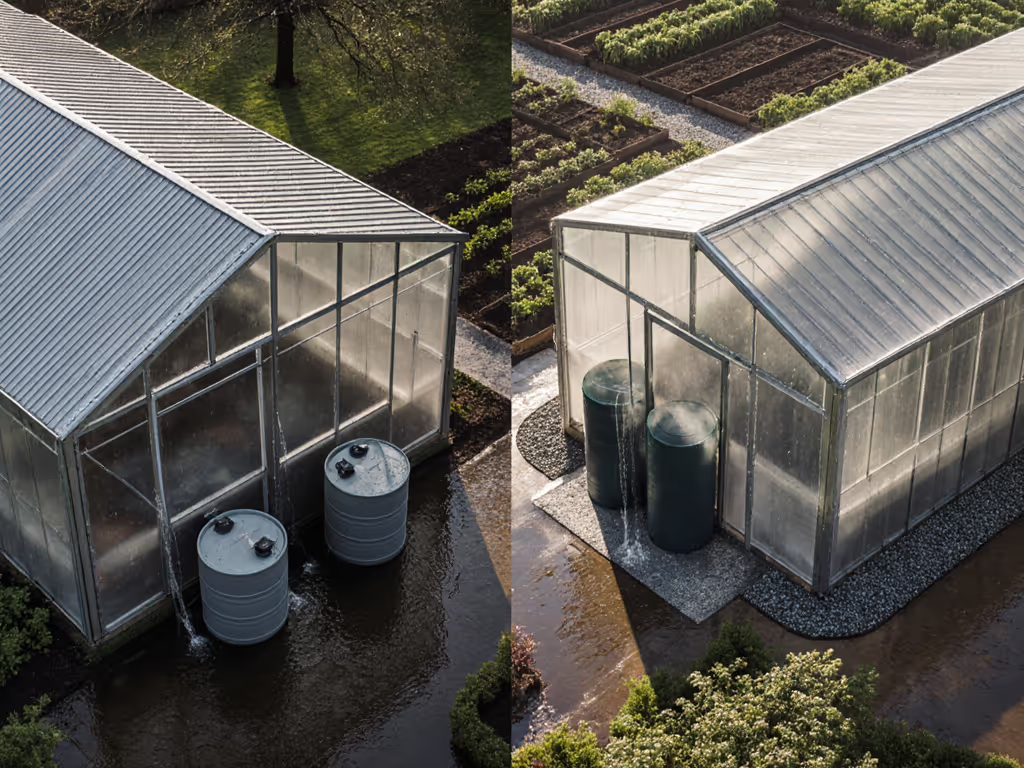
For small greenhouse heater needs, a simple solar-powered fan system with thermal mass (barrels of water) often provides adequate temperature regulation without expensive infrastructure.
Desert & Southwest Zones (Zones 8-10)
Intense summer heat but occasional freezing winter nights.
Strategic solar beats geothermal for two reasons:
- Solar generation potential is highest here (ideal panel output)
- Primary energy need is cooling, not heating
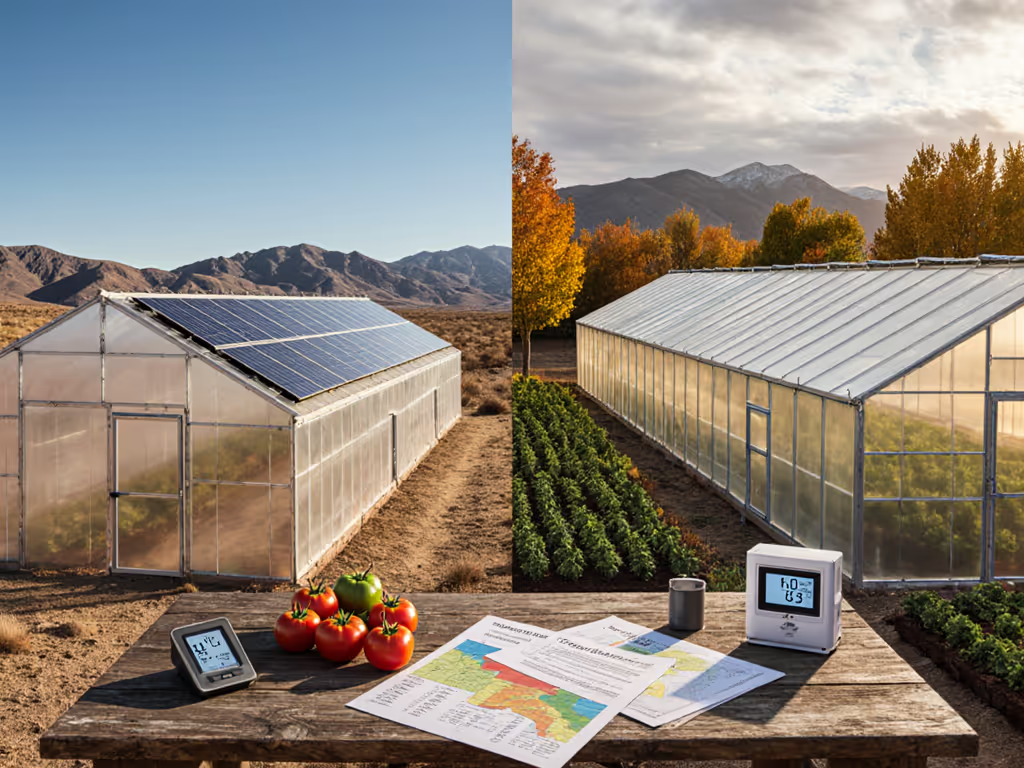
Smart growers in Arizona use solar to power evaporative coolers and automated vents, solving their biggest climate challenge at 1/3 the cost of geothermal. Planning in the desert? See our arid climate greenhouse guide on water-saving cooling strategies. That is where the dollars go furthest.
Making the Smart Choice: Your ROI Checklist
Don't fall for analysis paralysis. Use this scenario-based checklist to determine your best option.
Step 1: Calculate Your Actual Heating Needs
- Track how many degree-days your location experiences below 50°F
- Determine your greenhouse's heat loss (BTUs required)
- Example: A 100 sq ft greenhouse in Zone 5 needs ~10,000 BTU/hr on average winter night
Step 2: Climate-Specific Payback Analysis
| System | Zone 3-4 | Zone 5-6 | Zone 7-8 |
|---|---|---|---|
| Geothermal | 5-7 years | 7-9 years | 10+ years |
| Solar PV | 8-10 years | 6-8 years | 4-6 years |
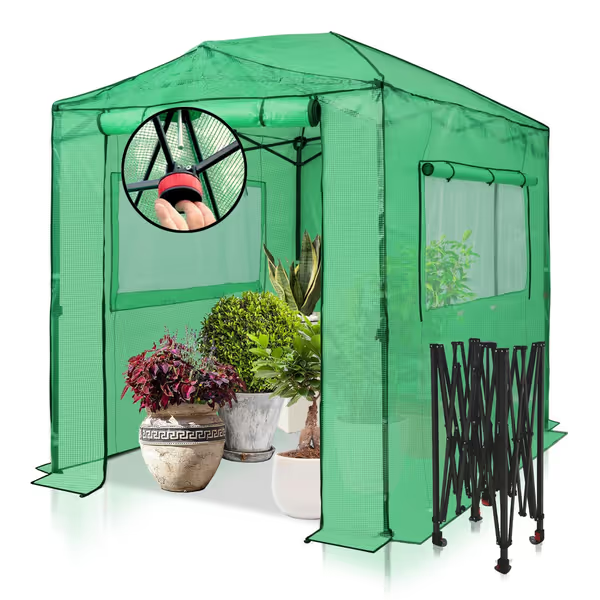
EAGLE PEAK Instant Pop-up Greenhouse
Pop-up greenhouse with easy setup for instant plant protection.
$134.99
Easy SetupOne person, tool-free setup
Easy SetupOne person, tool-free setup
Pros
Quick, tool-free assembly saves time and hassle.
Powder-coated, rust-resistant steel frame for durability.
Cons
Mixed durability feedback on PE cover and zippers.
“Easy to assemble, sturdy for the price, and great for starting summer plants. Held up well for winter!”
“Easy to assemble, sturdy for the price, and great for starting summer plants. Held up well for winter!”
Step 3: DIY-First Alternatives That Save Money
Before committing to major systems, maximize passive design: Start with thermal mass solutions that work without electricity.
- Thermal mass: Water barrels (5 gallons per 10 sq ft) store daytime heat
- Insulation: Bubble wrap on north wall cuts heat loss by 30%
- Ground-to-air heat exchange: Buried 4" pipes pre-warm intake air
In my own greenhouse upgrade, I added rain catchment and a homemade shade sail to a mid-range polycarbonate kit, slashing my heating costs 25% before adding any active systems. Payback landed in month 22, even counting the vent upgrade.
Step 4: Smart Add-Ons by Climate Zone
- Snowbelt: Geothermal loop + snow-melt system on gutters
- Plains: Wind-resistant anchoring + solar-powered vent openers
- Coastal: Thermal mass barrels + automated shade system
- Desert: Solar-powered evaporative cooler + night ventilation
The Bottom Line: Right System for Your Climate
Choosing between geothermal greenhouse and solar panel greenhouse systems isn't about which technology is "better", it is about which delivers maximum value for your specific climate and growing schedule. For most home growers, the optimal path starts with passive design, adds targeted active systems, and embraces modularity.
Total installed cost matters most when you consider that poorly matched systems become expensive yard ornaments. A greenhouse that collapses in a storm or overheats your seedlings costs more than its price tag, it costs your growing season.
Your Action Plan
- Start with passive solutions before committing to active systems
- Prioritize structural integrity, nothing undermines ROI like collapse repairs
- Build in modularity, install conduit and mounting points for future add-ons
Whether you're growing Christmas greens or early tomatoes, your greenhouse should work with your climate, not against it. The right renewable energy greenhouse system pays for itself not in marketing claims, but in actual harvests during shoulder seasons when your neighbors' gardens are dormant.
Next Step: Download my free Climate Zone Greenhouse Calculator (link in bio) that inputs your zip code and greenhouse size to generate a custom comparison of geothermal vs solar ROI for your specific location. Stop guessing, start growing with data-driven confidence.
Related Articles