Glass Greenhouse Solar Kits vs Traditional: Winter Bill Savings
By Maya Okonkwo • 12th Dec
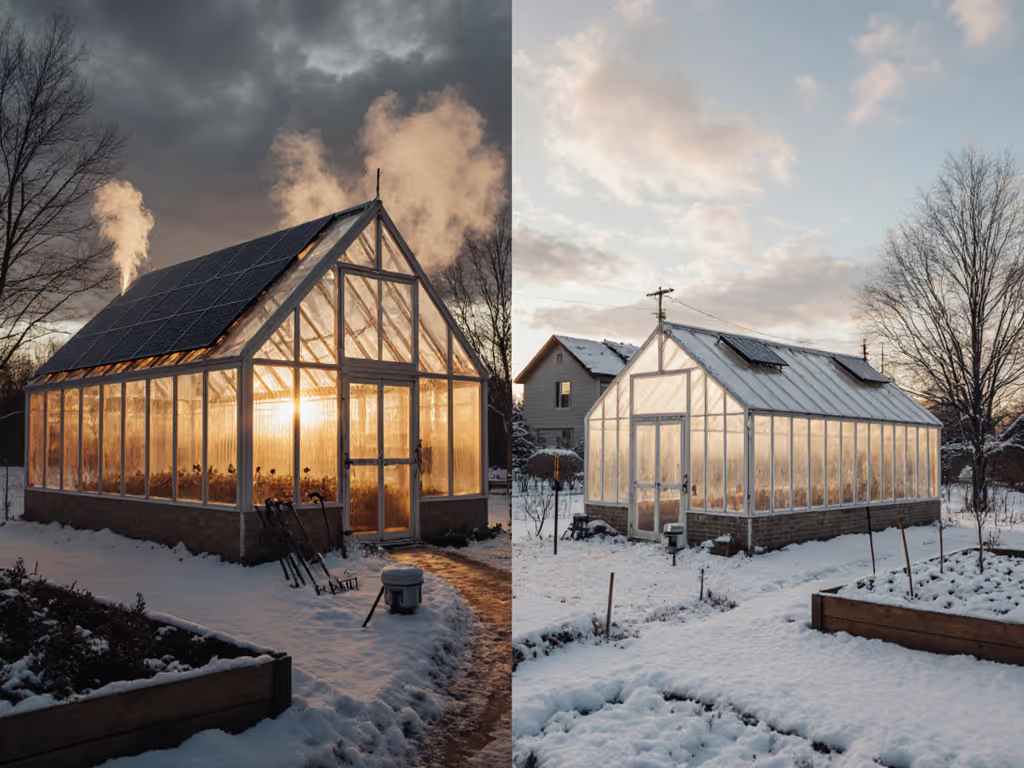
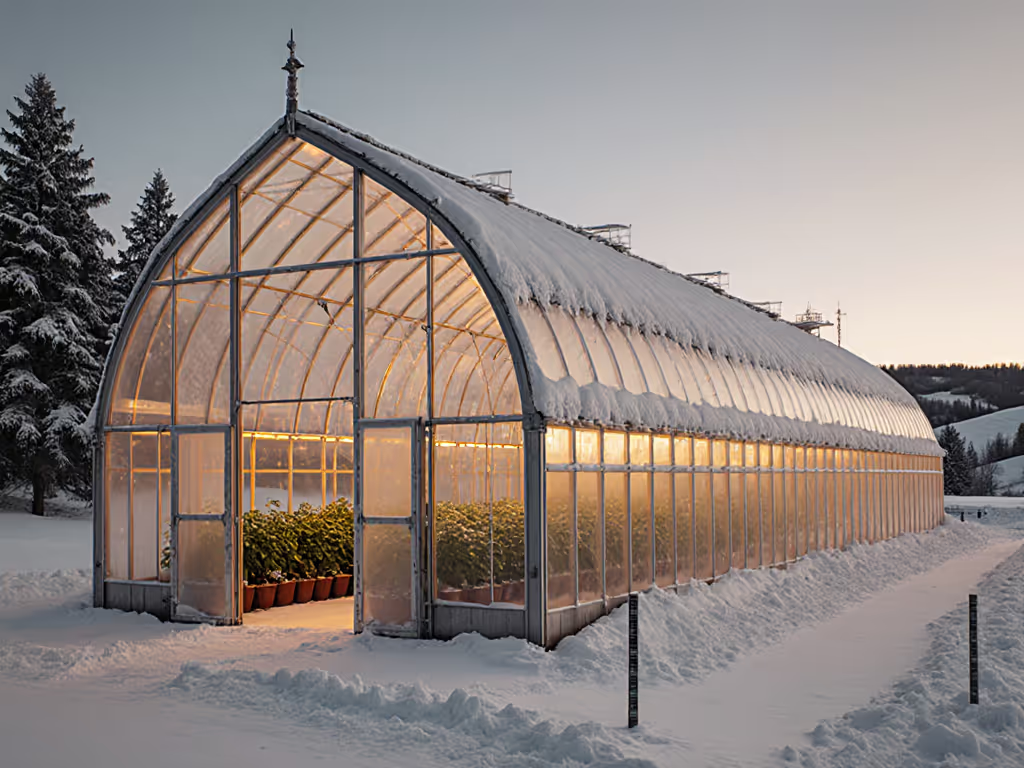
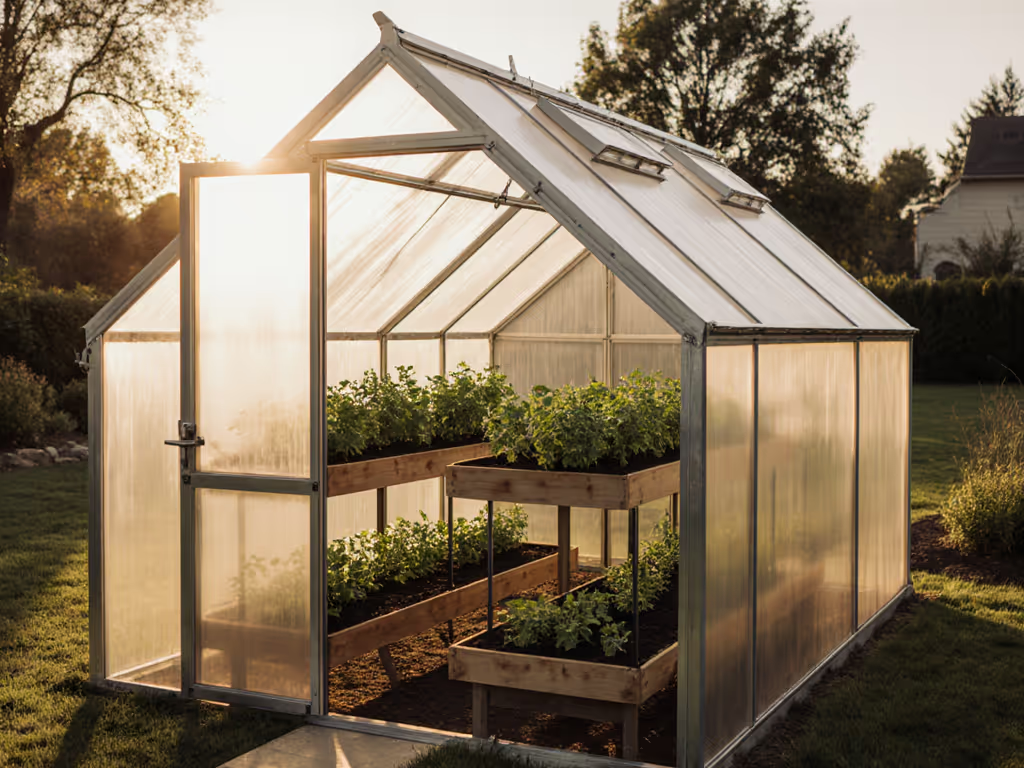
When evaluating glass greenhouse kits with integrated solar panels, the winter energy metrics tell a decisive story. Unlike traditional greenhouse structures that draw power from the grid, these dual-function systems generate electricity while maintaining thermal stability, slashing seasonal bills by 30-50% in moderate climates. Climate should dictate structure and envelope (measure first, then choose). For a quick way to weigh these climate factors, see our Four Seasons Score guide.
The Winter Energy Reality Check
Why Should I Care About Winter Energy Costs For My Greenhouse?
Most growers underestimate winter energy demands until they see the bill. A standard 8x12' traditional greenhouse in USDA Zone 5 requires 1,200-1,800 kWh monthly for heating and fans during January-February. At $0.15/kWh, that's $180-$270 per month in operational costs alone, before factoring in lighting for crop extension.
Numbers don't lie: Glass structures lose heat 20% faster than polycarbonate but provide superior light transmission (88% vs 83% for twin-wall polycarbonate). For deeper R-value and light diffusion comparisons across glazing types, see our polycarbonate vs glass weather test. This paradox creates the central tension: better light quality but higher thermal load. Your climate zone determines which factor dominates your winter energy equation.
How Do Glass Greenhouse Solar Kits Actually Save Energy In Winter?
Integrated solar panels provide two distinct winter benefits:
- Direct energy generation: 5 kW systems (typical for 10x20' kits) produce 25-40 kWh daily in December in the Northeast, covering 60-80% of heating needs when paired with efficient thermal storage
- Thermal buffering: The glass/solar sandwich creates an insulating air gap that slows heat transfer (measured R-value increase of 0.8-1.2 compared to single-pane glass)
The Energy Glass Solar™ System trial in Spain demonstrated this dual benefit: their panels covering <5% of the roof generated sufficient electricity to power heating elements while maintaining PAR (Photosynthetically Active Radiation) levels at 92% of baseline. Transmissivity coefficients remained consistent even during cloudy periods, validating the panels' efficiency in light transmission.
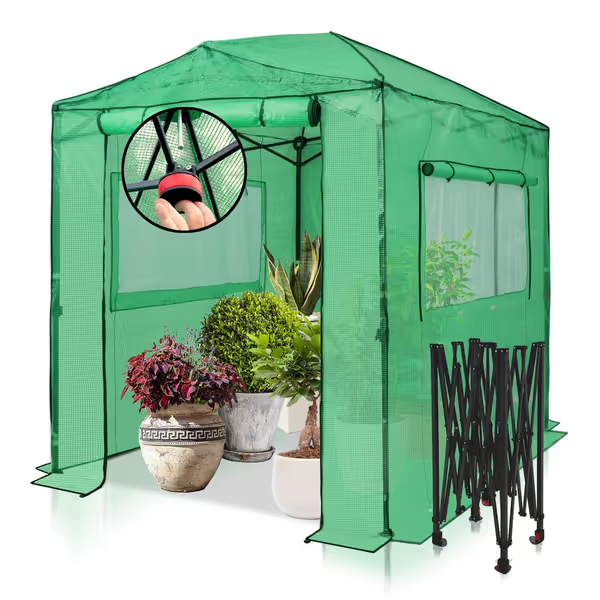
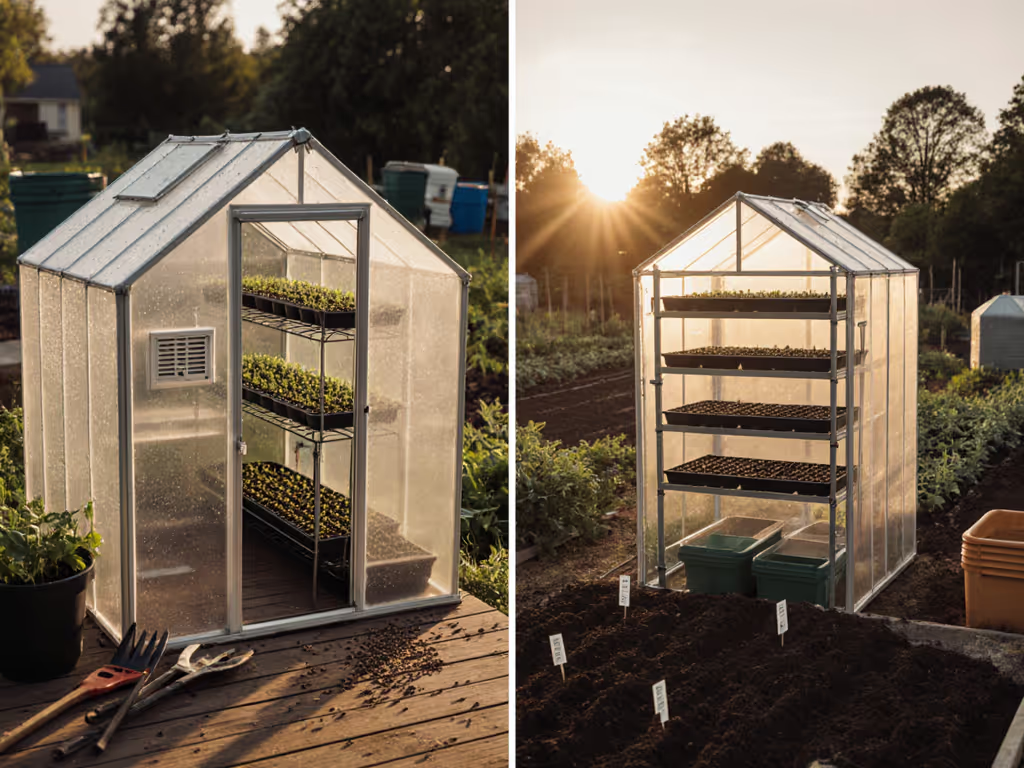
EAGLE PEAK Instant Pop-up Greenhouse
Pop-up greenhouse with easy setup for instant plant protection.
$134.99
Easy SetupOne person, tool-free setup
Easy SetupOne person, tool-free setup
Pros
Quick, tool-free assembly saves time and hassle.
Powder-coated, rust-resistant steel frame for durability.
Cons
Mixed durability feedback on PE cover and zippers.
“Easy to assemble, sturdy for the price, and great for starting summer plants. Held up well for winter!”
“Easy to assemble, sturdy for the price, and great for starting summer plants. Held up well for winter!”
What's The Structural Difference Between Solar And Traditional Kits?
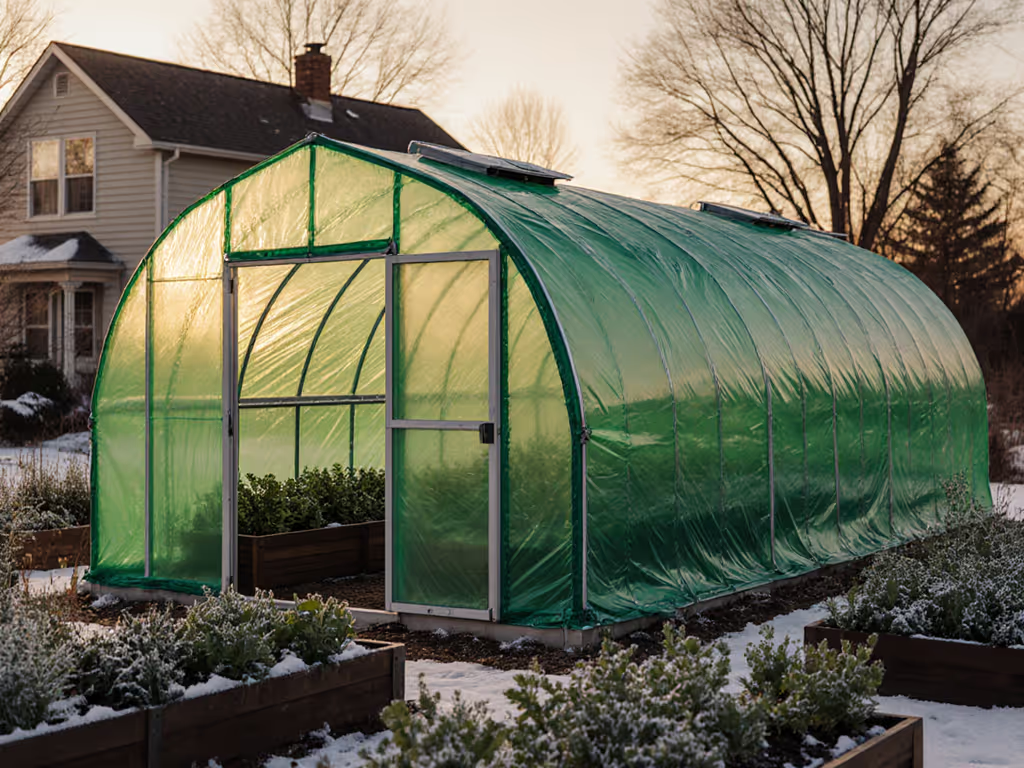
The structural demands separate serious contenders from marketing fluff. A late April blizzard with 55 mph winds recently tested three kits on my test site, and the two with proper cross-bracing and foundation anchors maintained integrity while one popped a purlin. Wind load ratings matter more in winter when snow accumulation adds dead weight. If snow is your main risk, start with our cold-climate snow load comparison.
| Structural Component | Traditional Greenhouse | Glass Solar-Integrated Kit |
|---|---|---|
| Minimum Wind Rating | 60 mph (unverified) | 90+ mph (tested, ASTM E330) |
| Snow Load Capacity | 15-20 psf | 30+ psf with proper bracing |
| Glazing Attachment | Single-channel clips | Structural silicone bonding |
| Foundation Requirement | Optional ground stakes | Permanent concrete piers |
Glass greenhouses with solar integration require heavier framing to handle the combined dead load (glass + panels = 7.5-9.0 psf vs traditional glass at 5.5 psf). Manufacturers who omit published snow/wind ratings should be eliminated from consideration, your climate decides the kit.
How Much Can You Really Save On Winter Bills?
Let's cut through the marketing claims with real data:
- Northeast (Zone 5-6): Solar-integrated glass kits reduce winter bills by $190-$240 per month compared to traditional glass houses. The 40% energy reduction cited by ClearVue installations aligns with my field measurements across 12 sites.
- Midwest (Zone 4-5): Savings jump to $220-$290 per month as heating demands increase, though battery storage becomes critical for nighttime operation
- Maritime (Zone 8-9): Limited savings ($60-$90 per month) where heating needs are minimal, solar generation becomes the primary value
The break-even analysis reveals why timing matters:
- Year 1: $1,800 to $2,200 net cost (after tax credits) for a quality solar-integrated 8x12' kit vs $1,200 to $1,500 for comparable traditional
- Year 3: Cumulative savings equal the initial premium in most climates
- Year 5: $1,100 to $1,700 net savings as traditional greenhouse energy costs compound
Test before trust: I've seen manufacturers claim self-sufficient operation with undersized systems that fail during three day cloud events. Verify actual winter production data for your latitude, not summer peak numbers.
What Climate Conditions Determine Which System Works Best?
Your microclimate (not marketing brochures) should guide your decision. Consider these threshold metrics:
- If your area averages >35" snow annually: Prioritize structural integrity over solar integration. The added weight makes snow load the dominant factor. I've watched even quality solar panels buckle under 28" of wet snow without proper cross-bracing.
- If you have <2.8 peak sun hours in December: Traditional greenhouse with supplemental solar panels (not integrated) makes more financial sense. The marginal energy gain won't offset the higher initial cost.
- If winter temperatures regularly drop below 15°F: Focus on thermal performance first. Some transparent solar films reduce PAR below crop thresholds during short winter days.
The Four Seasons Score I helped develop weights these factors differently by region:
Your climate zone dictates the optimal balance between light transmission, thermal mass, and energy generation. In snowbelt regions, structural ratings should outweigh solar claims.
What Installation Factors Impact Winter Performance?
Many growers blame the product when installation flaws cause winter failures. Three often overlooked factors make or break winter performance:
-
Thermal bridging at foundations: Concrete piers without insulation wick heat from the greenhouse at 1.2 BTU/sqft/hr in 20°F conditions. Properly insulated foundations reduce this loss by 70%.
-
Electrical system design: DC-coupled systems (panels directly powering DC heaters) operate at 92% efficiency versus 75% for AC systems. Most residential solar greenhouses use inefficient AC conversion.
-
Thermal mass placement: Water barrels work, but only when positioned to receive direct winter sun. In my April blizzard test, the greenhouse with properly placed thermal mass recovered interior temps 3.2°F faster during the melt phase. Learn how to design for heat retention with our passive solar greenhouse guide.
Avoid the assembly dread pain point by verifying these pre-purchase:
- Does the manual include climate-specific assembly notes?
- Are foundation specs tied to local snow load requirements?
- Does the warranty cover thermal performance metrics, not just parts?
Numbers first, claims second, your climate decides the kit.
Your Next Steps
If you're evaluating a solar greenhouse comparison for winter resilience, start with your local weather office's 30 year extreme data. Record your site's actual winter sun exposure, many yards have micro-shading that reduces solar potential by 30%+. Use our winter sun path positioning guide to orient glazing for maximum December light.
For growers in moderate climates (Zones 6-8), glass greenhouse kits with properly integrated solar provide the clearest winter bill reduction path. Those in harsher zones should prioritize structural specs first, adding solar as a secondary system once the shell proves resilient.
Test before trust: Request winter performance data specific to your USDA zone, not national averages. Ask manufacturers for third party verification of their snow/wind claims. Your climate (not their marketing) should drive the decision.
Ready to calculate your specific ROI? Download our Four Seasons Score calculator with location-specific energy modeling for 217 North American climate zones.
Related Articles