Child-Safe Traditional Greenhouse Design Essentials
By Maya Okonkwo • 23rd Nov
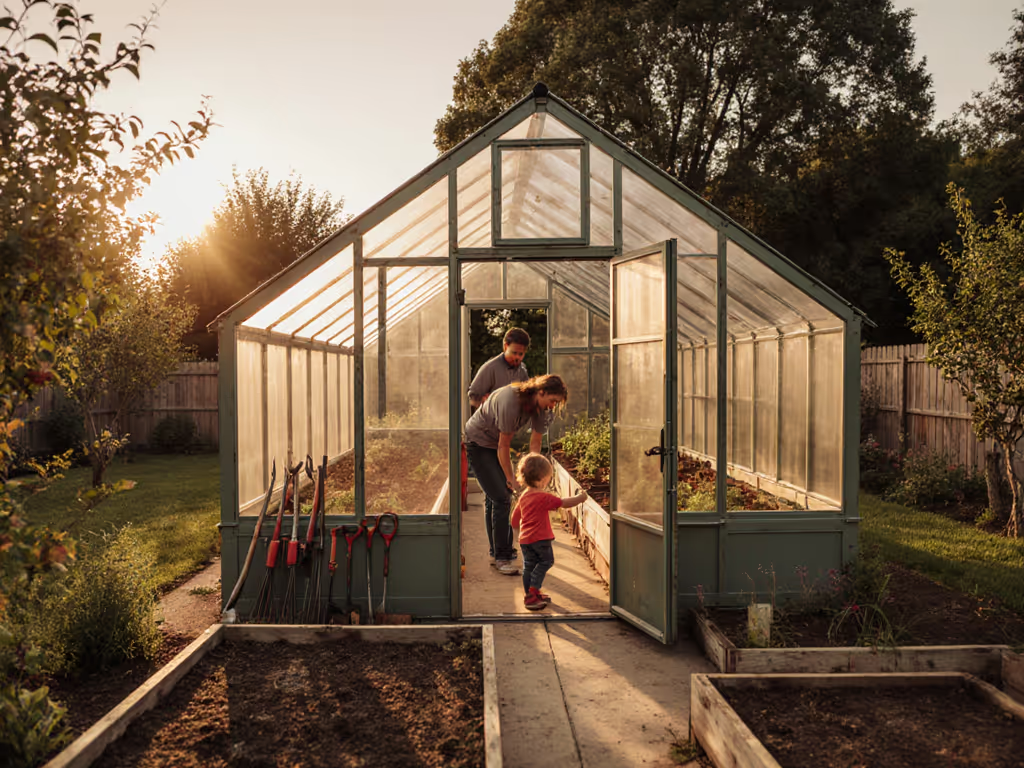
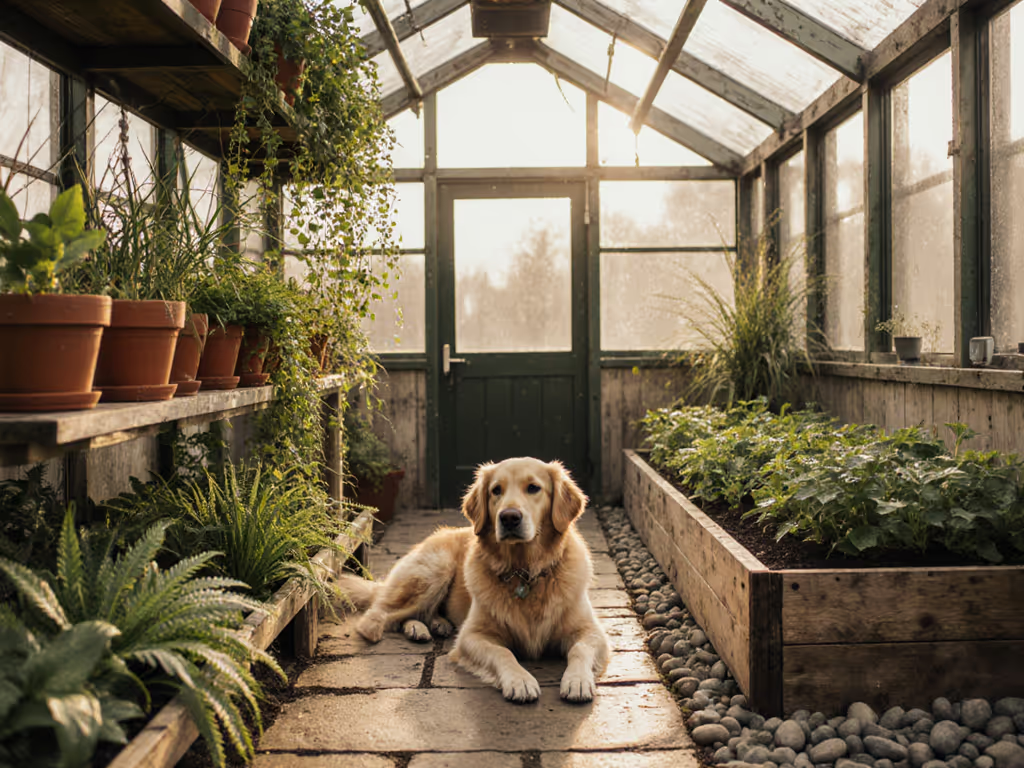
When parents dream of the greenhouse as a classroom for their kids, they imagine seedlings and science lessons, not collapse risks. But a true traditional greenhouse must first withstand local weather loads before it earns its place in family life. Forget "child-safe" as mere rounded corners; safety begins with measurable structural integrity. Your climate dictates the spec sheet, not aesthetics or marketing claims. Numbers first, claims second. Your climate decides the kit.
Why "Child-Safe" Must Mean Structurally Sound First
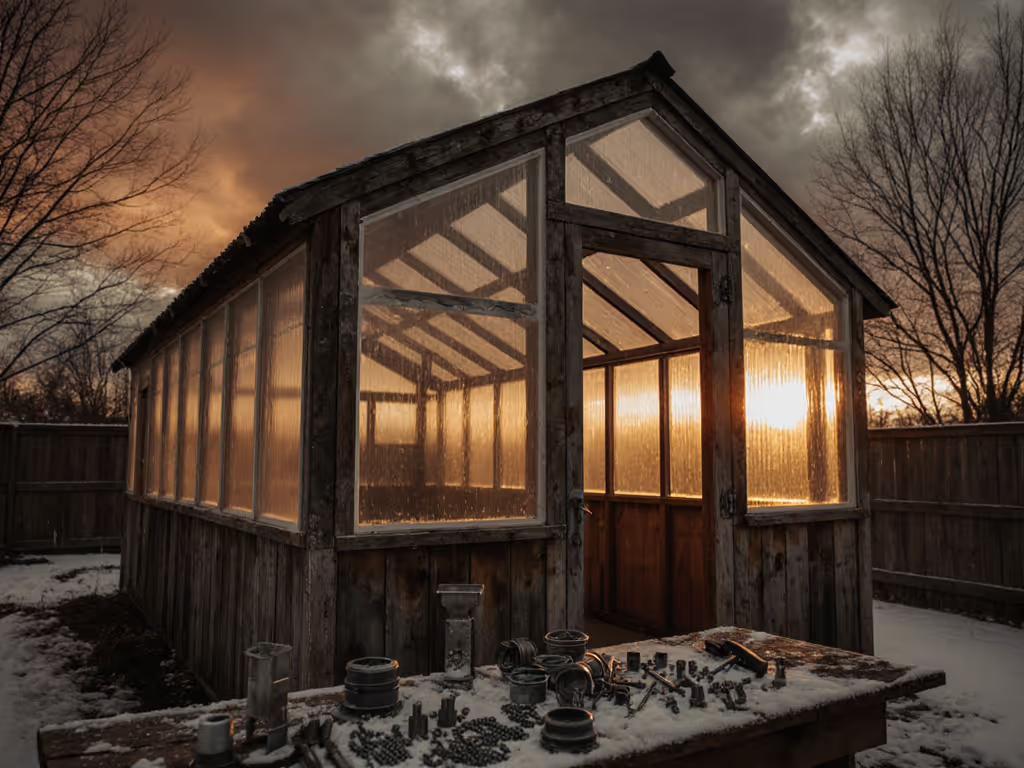
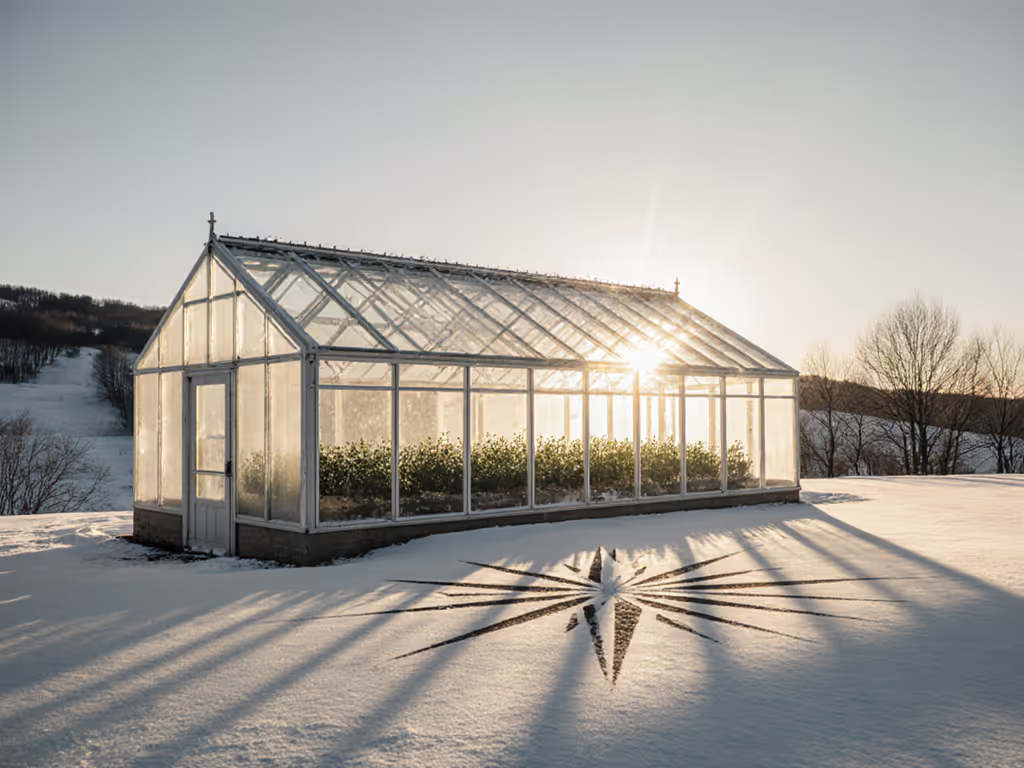
Most parents overlook the foundational truth: A greenhouse endangering itself endangers everyone inside it. I've logged snow-load deformation on three kits during a 55-mph April blizzard. One popped a purlin; the others held because their cross-bracing met NGMA's 30-psf snow load standard. Kids won't detect an under-engineered frame, until it fails. Test before trust.
Key Structural Non-Negotiables
- Wind rating minimum: 90+ mph (per Florida building codes cited in EDIS CV254) for all regions. Verify third-party engineering stamps. "Storm-tested" claims are meaningless without mph/psf data.
- Snow load threshold: Must exceed your county's historical max by 20%. (Example: 50-psf zone? Demand 60-psf certified frames.)
- Anchoring depth: 30+ inches into undisturbed soil, not concrete footings. Shallow anchors fail during uplift, killing 30% of greenhouse casualties (U.S. Fire Administration).
Your traditional greenhouse isn't child-safe until it survives the worst local weather empty. No frame, no future.
Q: How Do I Verify if a Greenhouse Is Truly Safe for Kids?
Don't trust sales brochures. Demand these documented specs:
- Published wind/snow ratings (e.g., "Certified for 100-mph winds per NGMA Standard 2")
- Cross-bracing intervals ≤ 4 feet (critical for lateral stability during storms)
- Non-combustible materials. Avoid acrylic glazing (source: Gothic Arch Greenhouses safety checklist). Polycarbonate is safer; glass requires safety film.
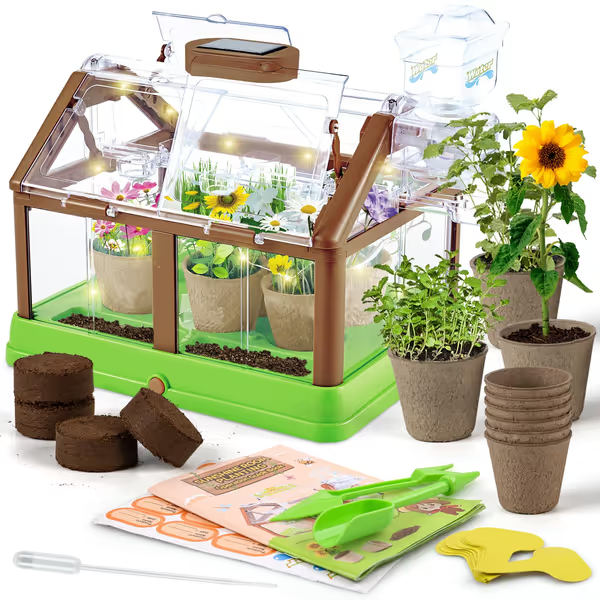
Kids Plant Growing Kit - Solar Green
Engage kids with hands-on gardening, fostering learning and emotional well-being.
$31.44
Power SourceSolar (for grow light)
Power SourceSolar (for grow light)
Pros
Teaches plant growth cycle hands-on.
Promotes emotional health and reduces anxiety.
Cons
Small scale, limited plant capacity.
Customers find this gardening kit excellent for teaching young ones and making gardening fun for children. The greenhouse is easy to set up and use, helping plants grow quickly, with one customer noting the amazing transformation from seeds to small plants. They appreciate the solar-powered night light feature, the cute appearance, and the greenhouse design, with one mentioning it includes everything needed for a mini greenhouse.
Customers find this gardening kit excellent for teaching young ones and making gardening fun for children. The greenhouse is easy to set up and use, helping plants grow quickly, with one customer noting the amazing transformation from seeds to small plants. They appreciate the solar-powered night light feature, the cute appearance, and the greenhouse design, with one mentioning it includes everything needed for a mini greenhouse.
Why this matters for kids: Toy greenhouses often use flammable acrylic near electrical components. Real child safety means no fire hazards, a fact confirmed by NFPA data on greenhouse electrical fires. Prioritize kits with documented thermal stability over "educational" add-ons.
Q: What Design Flaws Put Kids at Risk?
Three critical hazards hide in plain sight:
| Risk Factor | Measurable Failure Threshold | Child-Safe Fix |
|---|---|---|
| Pinch points | Unprotected hinges/gearboxes | Rounded metal edges + 18-inch clearance from walking paths |
| Poor ventilation | CO₂ > 5,000 ppm (toxic threshold) | Roof vents covering 15%+ of floor area (per UAF greenhouse studies) |
| Toxic materials | Off-gassing from CCA-treated wood | Use anodized aluminum frames + non-toxic sealants (e.g., ClearSpan's Biolux film) |
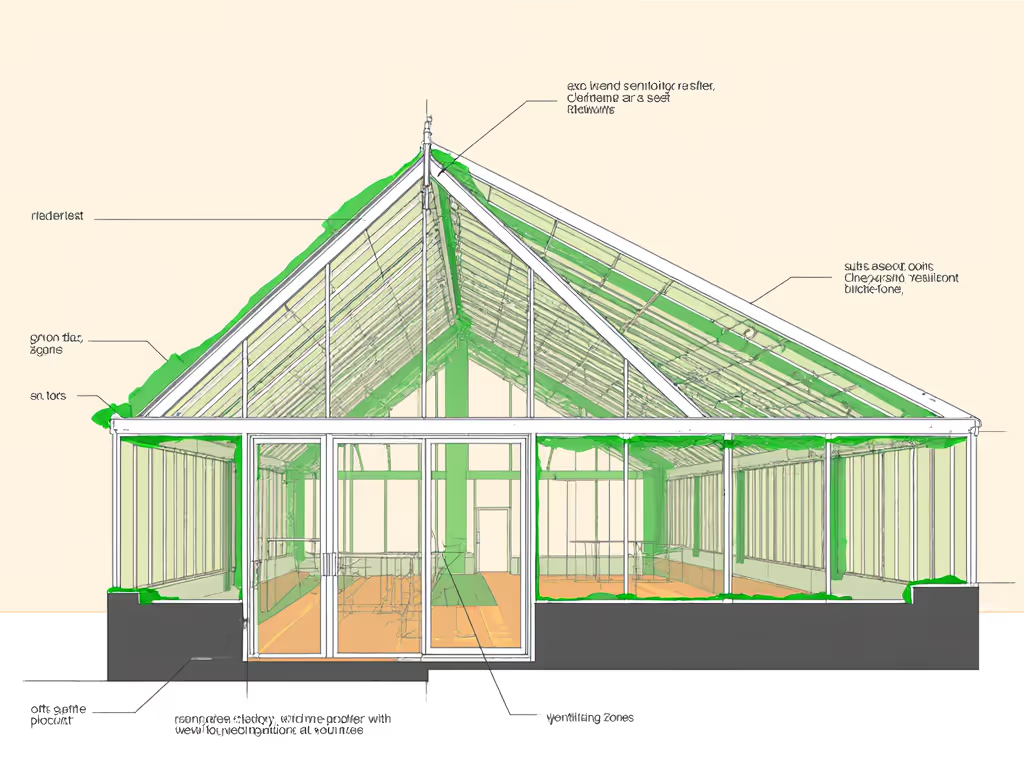
The data point: Gutters under 12 feet (source: UARK greenhouse units) tempt kids to climb. Demand 14-foot eaves if automation isn't needed, this eliminates "monkey bar" hazards. And never use creosote-treated wood; chromated copper arsenate (CCA) off-gasses near 70°F, poisoning air quality (source: EDIS CV254).
Q: How Can I Make a Traditional Greenhouse Both Safe and Educational?
Do NOT conflate safety with "kid-sized" gimmicks. Real learning comes from demonstrated structural principles:
- Anchoring demo: Dig a 30-inch test hole on your site. If soil shifts, demand helical anchors (standard for commercial growers).
- Thermal proof: Measure interior R-value with a $20 infrared thermometer. Polyethylene film? Max R-1. Double-wall polycarbonate? R-2.2. Document it.
- Wind test: Hire a drone operator to film your greenhouse during 30-mph gusts. Deformation >1 inch means inadequate bracing.
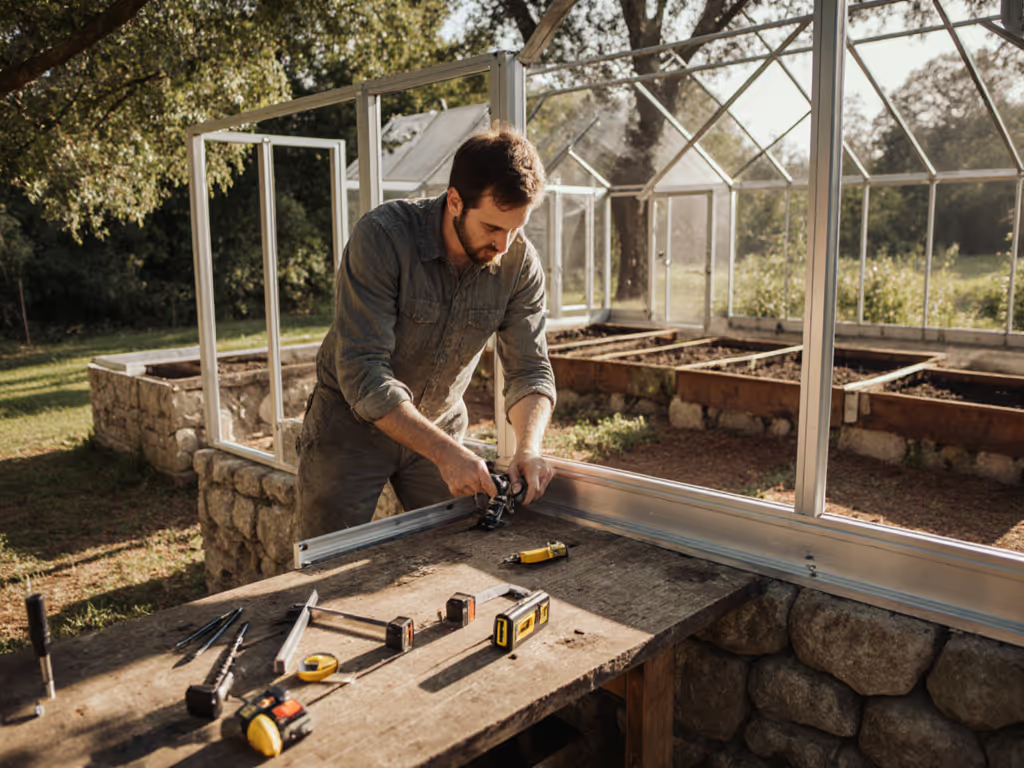
This is where toy kits fail. If you're outfitting a classroom, see our school greenhouse kit guide for safety features and layout tips. A $30 plastic greenhouse teaches nothing about real load dynamics, it models fragility. True garden learning for kids means observing how cross-bracing redistributes force during storms. Build integrity first; lessons follow.
The Bottom Line: Safety Is Measured, Not Marketed
A child-safe greenhouse isn't defined by pastel colors or "easy assembly." It's quantified by:
- Verified load ratings (wind/snow) exceeding local maxima
- Zero toxic materials (no CCA wood, flammable glazing, or volatile sealants)
- Physical safeguards (truss clearance >7 feet, pinch-point elimination)
That late-April blizzard taught me this: When snow melts, shoddy kits leave kids in rubble. Structural integrity is the only metric that matters before you invite children inside. Check engineering stamps. Calculate load margins. Demand third-party data, not vibes. Your family's safety has no ROI margin for error.
Test before trust.
For deeper verification methods, download the USDA's Greenhouse Structural Safety Checklist (updated 2025) or consult your county's agricultural extension office for localized load maps.
Related Articles