Composting Greenhouse: Year-Round Soil Regeneration Inside
By Hana Al-Khalil • 29th Nov

Imagine stepping into your greenhouse on a frigid January morning to harvest crisp kale while steam rises from an adjacent compost pile generating its own warmth, a living example of how an integrated compost system transforms waste into vitality. This isn't just theory; it's the quiet revolution happening in backyards and campuses where the composting greenhouse concept has redefined season extension. Unlike a traditional greenhouse reliant on external heating, this symbiotic design creates a closed-loop ecosystem where plant clippings feed the compost, and compost nourishes the plants, producing not just harvests but genuine comfort in your gardening practice. When you can linger in your space through winter's bite, you're more likely to tend it through every season.
How Composting Greenhouses Work: Nature's Thermostat
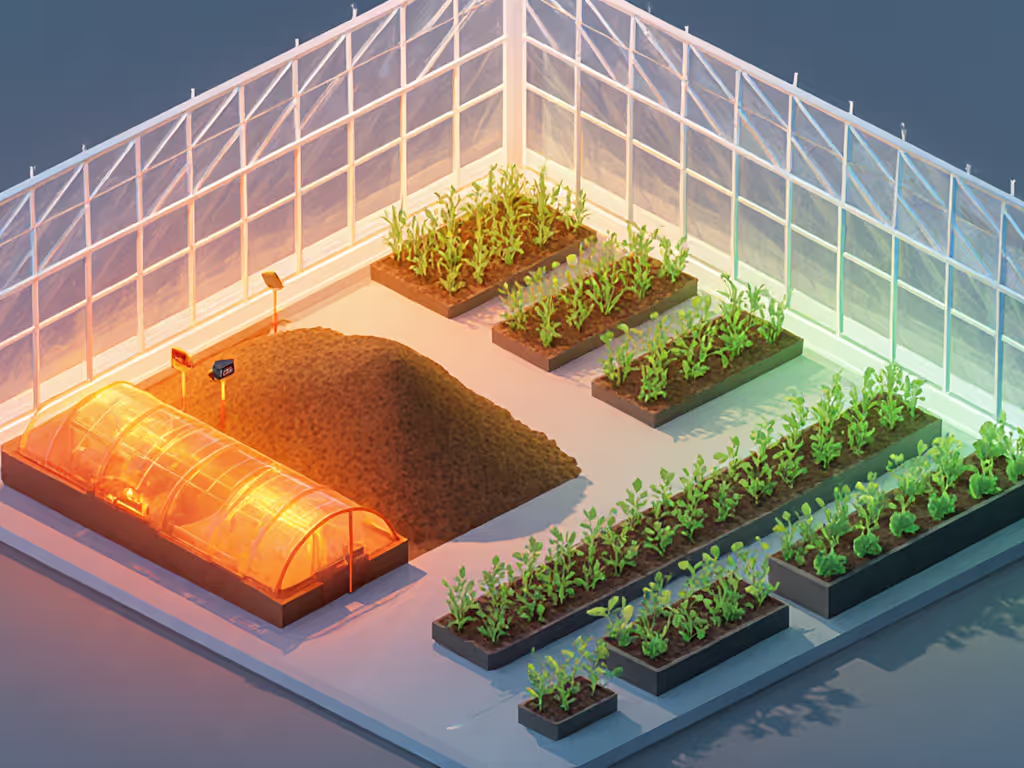
The magic happens through passive heat transfer. As organic matter decomposes in an aerated pile at 120-160°F, that thermal energy radiates into the greenhouse environment. I've measured this in practice, a well-managed compost core can maintain 90°F air temperatures nearby even when ambient temperatures dip below freezing. This isn't about massive industrial setups; even a modest 3'x3' compost zone nestled against your greenhouse's north wall creates a microclimate that keeps root zones warm while releasing carbon dioxide that plants literally breathe.
Visualize your space divided into three zones: the "hot zone" (compost chamber with temperature monitoring), the "transition zone" (young seedlings benefiting from gentle warmth), and the "production zone" (mature crops). This layout sketch works because it flows with how you naturally move through space, compost materials come in through the north door, get processed near the hot zone, then harvested produce moves southward toward your primary access point. For strategies to run both cool-loving greens and heat-loving crops side by side, see our greenhouse temperature zones guide.
Why Integrated Systems Outperform Traditional Approaches
A soil regeneration system within your greenhouse solves two persistent pain points: the exhaustion of winter heating costs and the seasonal interruption of soil building. While conventional greenhouses require supplemental heating during cold snaps (often leading to expensive utility bills), the composting greenhouse leverages decomposition's natural byproducts. At Gustavus Adolphus College's installation, they reported 30% lower heating costs simply by channeling compost-generated warmth through buried heat exchange pipes.
I recall my own early struggles with a hoop house that became unbearable by 10 a.m. during summer, had I integrated compost zones then, that same decomposition process would have created cooling evaporative effects during warmer months while providing winter warmth. The waste-to-nutrient greenhouse model turns what you'd normally discard (plant trimmings, food scraps) into both heat and humus-rich soil. That elderly neighbor who now joins me for midday pruning? She comes for the consistent 70°F comfort even when it's snowing outside, not to mention the taste of tomatoes grown in soil regenerated right before her eyes.
Designing Your Own Composting Greenhouse: Practical Steps
Site Integration First
Start with flow, not structure. Design the path you'll actually use: a wide, level pathway connecting your kitchen door to compost input, then to greenhouse entry. This ensures you'll bring scraps out regularly even when it's raining. Position your compost chamber so prevailing winds carry any brief ammonia scent away from seating areas (compost properly balanced shouldn't smell, but it's wise planning).
Material Considerations
You don't need high-tech solutions. A simple wood chip-lined trench along the north wall (covered with recycled polycarbonate scraps) creates passive heat transfer while keeping compost contained. If you're deciding on glazing, compare durability and insulation in our polycarbonate vs polyethylene guide. For small spaces, consider repurposing a Gardener's Supply Company row cover system to create a mini-compost greenhouse over raised beds, this modular approach lets you test the concept before committing to major construction.
Temperature Management
Install two simple thermometers: one at compost pile depth, another at plant canopy level. The sweet spot is maintaining 80-90°F in growing areas while keeping compost between 120-140°F (hot enough for pathogen reduction but not so hot it kills beneficial microbes). For passive heat stability without electricity, see our thermal mass heating guide. When your thermometer shows the compost zone exceeding 150°F, it's time to turn the pile, connecting maintenance to sensory cues prevents guesswork.
Small Wins to Start Today
You don't need a full-scale retrofit to experience benefits. Start with these manageable steps that build toward your ideal system:
- Immediate action: Place 5-gallon buckets in your kitchen labeled "Greenhouse Bound" for vegetable scraps, which creates the habit of collecting compostables.
- Within a week: Set up a small compost bin directly against your existing greenhouse's north wall (the shadiest side).
- Month one: Monitor temperature differences between the compost side and opposite wall using a simple max/min thermometer.
- Seasonal progression: As you become comfortable with the rhythm, expand your compost zone and add thermal mass (water barrels) to stabilize temperatures.
Comfort grows plants, and keeps you tending through storms.
Avoiding Common Pitfalls
Many enthusiasts jump into complex systems only to become overwhelmed. Remember my core principle: comfort sustains the habit. If your compost system becomes too labor-intensive, you'll abandon it. Focus instead on systems that integrate naturally with your daily flow:
- Don't over-engineer airflow: natural convection works best when you maintain proper height differentials between compost intake and greenhouse vents.
- Avoid overcomplicating C:N ratios; use the "squeeze test": compost should feel like a damp sponge, releasing only a few drops of water when squeezed.
- Never place compost directly under seedling trays: maintain at least 18" separation to prevent root burn from excessive heat.
For those in harsher climates, consider adding Botanicare Hydroguard to your compost tea, it introduces beneficial microbes that accelerate decomposition while protecting young roots as they interact with the nutrient stream. This creates a more resilient soil regeneration system that functions even during temperature fluctuations.
Your Next Steps
Creating a composting greenhouse isn't about achieving perfection overnight, it's about establishing a rhythm where waste never truly leaves your ecosystem. Start small with one integrated zone, observe how temperatures shift through the seasons, and adjust based on what your plants tell you (drooping leaves during expected warmth signal a design tweak needed). To keep your system humming all year, follow our seasonal greenhouse checklist.
As you plan your own system, sketch not just dimensions but sensory experiences: where will you place your bench so morning light warms your hands while potting? How can you position your compost input so it's sheltered from rain but accessible during snow? These human-centered details transform functional spaces into beloved sanctuaries.
The most successful on-site composting greenhouse systems I've designed all share one trait: their creators enjoy spending time there regardless of external weather. When your greenhouse becomes a place of comfort rather than chore, you've created something truly sustainable, not just ecologically, but in your daily practice. What small step will you take this week toward closing your own nutrient loop?
Related Articles